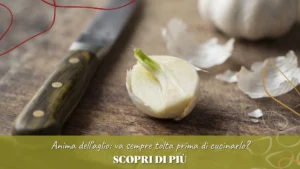
Garlic Germ: Should You Always Remove It Before Cooking?
When you cut open a garlic clove, you may notice a small sprout in the center, often green or yellowish in color: this is commonly
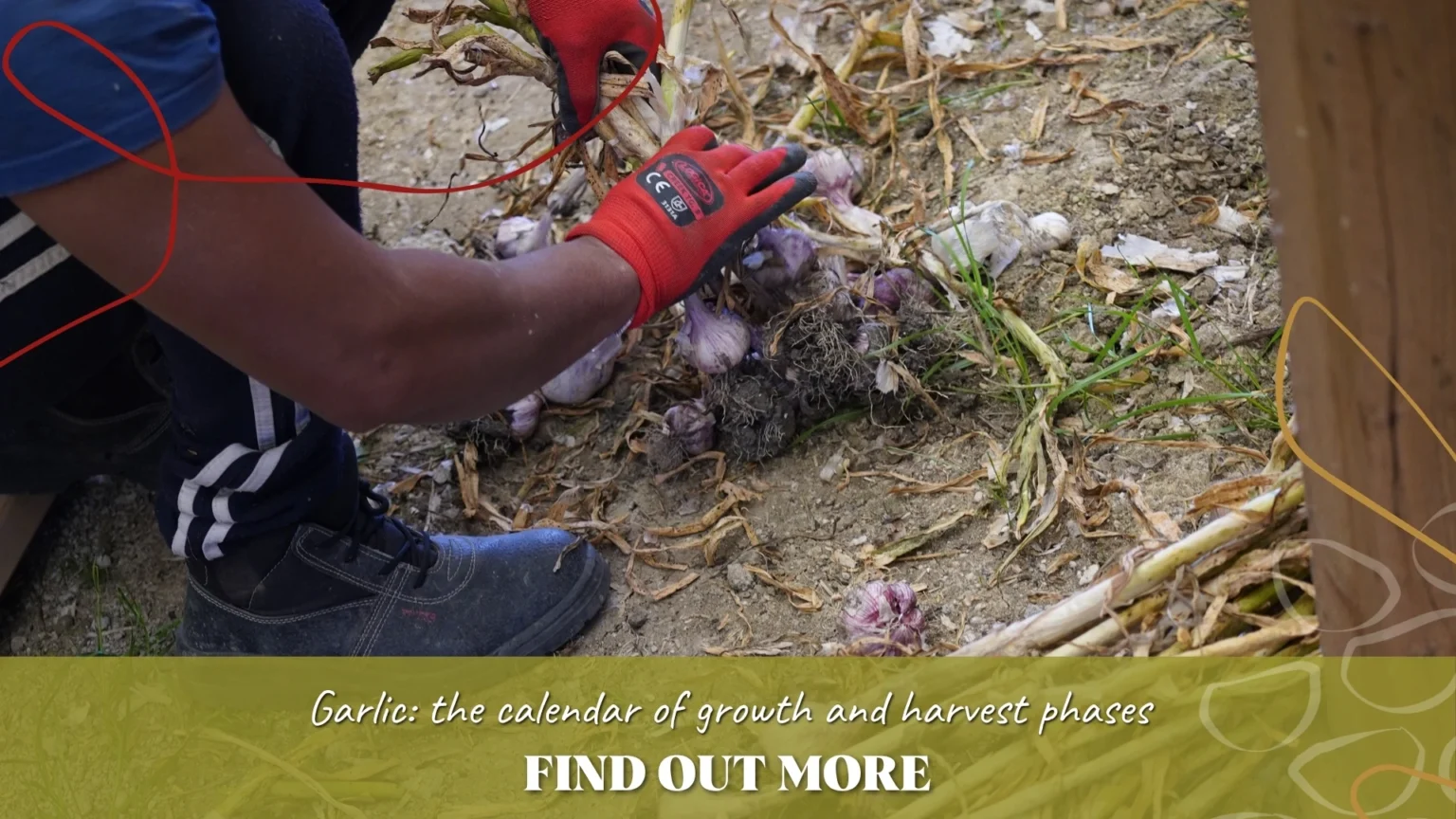
Garlic is a crop that requires attention, experience, and respect for natural timing. Following the calendar of its development stages is essential to obtain a high-quality product capable of maintaining its aroma and texture over time. O.P. Sabina stands out for its commitment to garlic cultivation through methods that enhance the territory and agricultural knowledge passed down over the years. The company operates in the agricultural sector with the aim of ensuring high standards and controlled production at every stage, from cultivation to final processing. Understanding the garlic production cycle also allows consumers to appreciate the value of the product and the work behind each bulb. Each season represents a precise moment within a process that follows the rhythm of nature and helps make O.P. Sabina garlic a valued ingredient for its quality and reliability.
The garlic calendar begins with sowing, which in central-southern Italy generally takes place between October and December. This period is considered the most suitable because it allows the bulbs to develop slowly during the winter, preparing for the spring growth phase. Between February and April, the plant enters full vegetative development, with leaf formation supporting the growth of the bulb below. The current period, between April and May, represents a very important phase: it is the time of maturation, when the bulb enlarges and reaches its final size. During this stage, crop care is essential to obtain a healthy and uniform product. To learn about the results of this work and discover available products, you can visit the shop O.P. Sabina, where garlic is carefully selected and prepared to reach the table with all its characteristics.
After maturation, the calendar continues with harvesting, which usually takes place between the end of May and the month of June, when the leaves begin to dry naturally. This sign indicates that the bulb has completed its development and can be removed from the soil. Once harvested, garlic enters the drying phase, which takes place between June and July. During this period, the bulbs are left to dry in order to preserve their qualities and improve their storage. Subsequently, they are cleaned and prepared for distribution, maintaining the properties that make them an essential ingredient in everyday cooking. Understanding these stages helps to recognize the value of agricultural work and the importance of respecting natural timing to obtain a product that best expresses the characteristics of the territory.
When you cut open a garlic clove, you may notice a small sprout in the center, often green or yellowish in color: this is commonly
The growth cycle of garlic: an overview Garlic is a crop that requires attention, experience, and respect for natural timing. Following the calendar of its
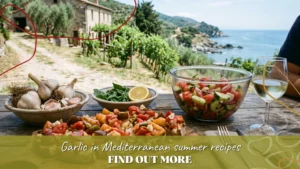
Garlic in Mediterranean summer recipes During the summer, cooking changes pace and adapts to higher temperatures, favoring quick preparations and ingredients that recall typical Mediterranean