Garlic Germ: Should You Always Remove It Before Cooking?
When you cut open a garlic clove, you may notice a small sprout in the center, often green or yellowish in color: this is commonly
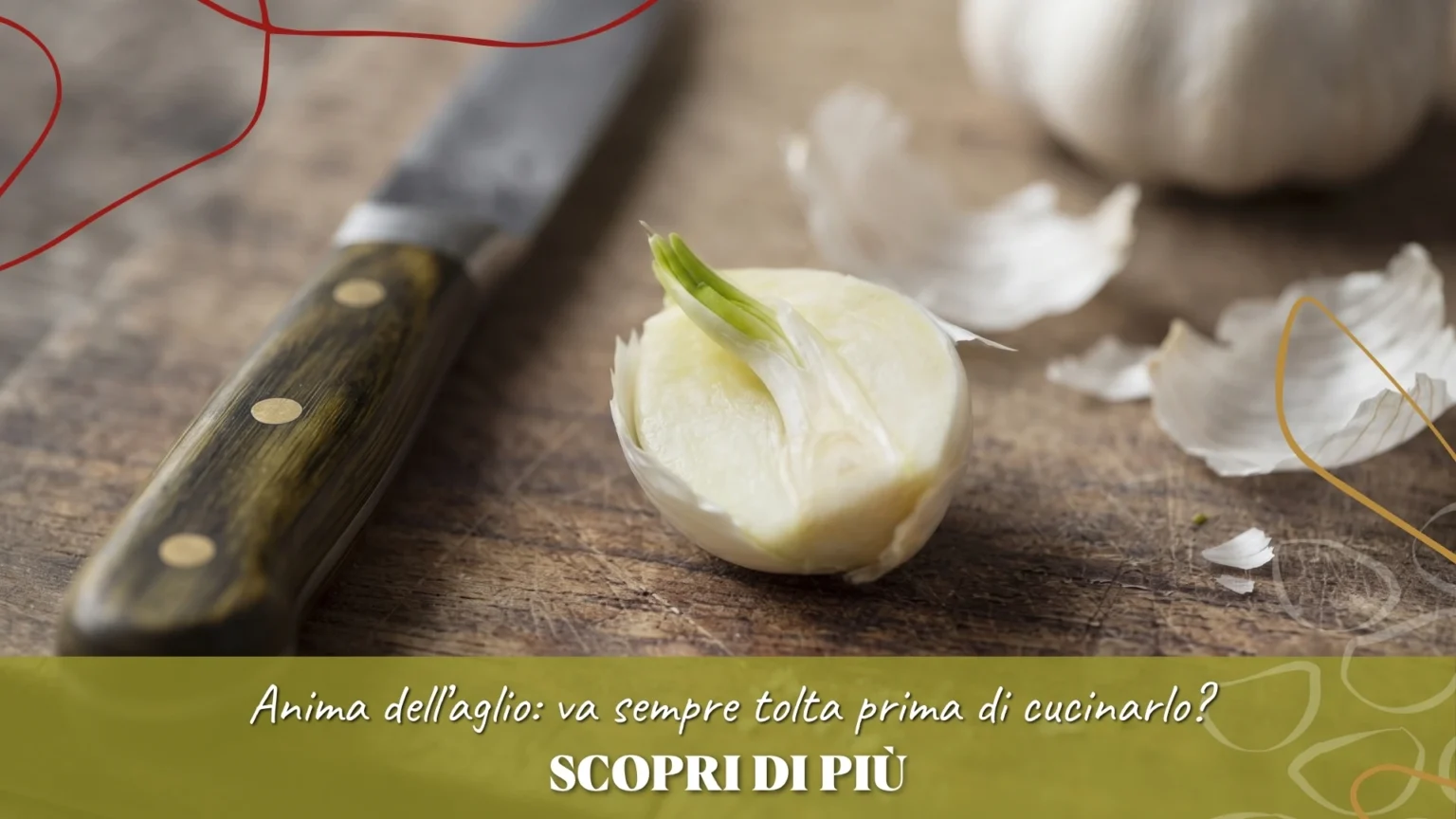
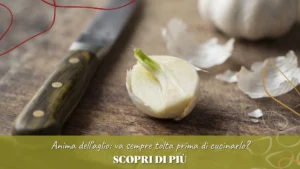
When you cut open a garlic clove, you may notice a small sprout in the center, often green or yellowish in color: this is commonly known as the garlic germ. It is the part from which a new plant can develop and becomes more noticeable over time, especially when the bulb begins to sprout. In cooking, it is common practice to remove it because it is associated with a stronger, sharper and sometimes slightly bitter flavor. However, it should not always be considered something to discard. Whether or not to remove it depends on the freshness of the clove, the color of the sprout, the recipe being prepared and personal taste. O.P. Sabina, an agricultural cooperative based in Irpinia and dedicated to producing and promoting Italian garlic, pays close attention to the quality of its raw ingredients, a key factor in achieving well-balanced flavors across different recipes.
The garlic germ can be removed when the sprout is already well developed, green and clearly visible. In this case, its flavor may be stronger than the rest of the clove and can have a greater impact, especially in delicate dishes or recipes where garlic is used raw. Removing it is recommended, for example, when preparing sauces, creams, dressings, bruschetta, pesto or dishes that require a milder and more balanced garlic flavor. Some people also choose to remove it because they find sprouted garlic less digestible, although this varies from person to person. To remove it, simply cut the clove lengthwise and lift out the central sprout with the tip of a knife. More information about the quality and characteristics of the product can be found on the Our Garlic page, dedicated to the garlic grown, harvested and processed by O.P. Sabina.
When the clove is fresh, firm and has only a small, pale and barely developed center, there is no need to remove the garlic germ. Under these conditions, the sprout does not significantly affect the flavor and can be used together with the rest of the clove. It can also be left in during long cooking methods, such as pasta sauces, soups, stews and roasts, where heat and the other ingredients naturally soften its sharper notes. The same applies when garlic is cooked whole, with its skin on, or roasted slowly in the oven: the result will be sweeter, softer and more aromatic. Rather than following a fixed rule, it is best to inspect each clove before using it. A prominent green sprout suggests that it should be removed, while a small, pale center can safely remain. The amount of garlic used and the way it is cut also influence its intensity: a whole clove produces a more delicate aroma, while crushed or minced garlic releases a stronger flavor.
When you cut open a garlic clove, you may notice a small sprout in the center, often green or yellowish in color: this is commonly
The growth cycle of garlic: an overview Garlic is a crop that requires attention, experience, and respect for natural timing. Following the calendar of its
Garlic in Mediterranean summer recipes During the summer, cooking changes pace and adapts to higher temperatures, favoring quick preparations and ingredients that recall typical Mediterranean